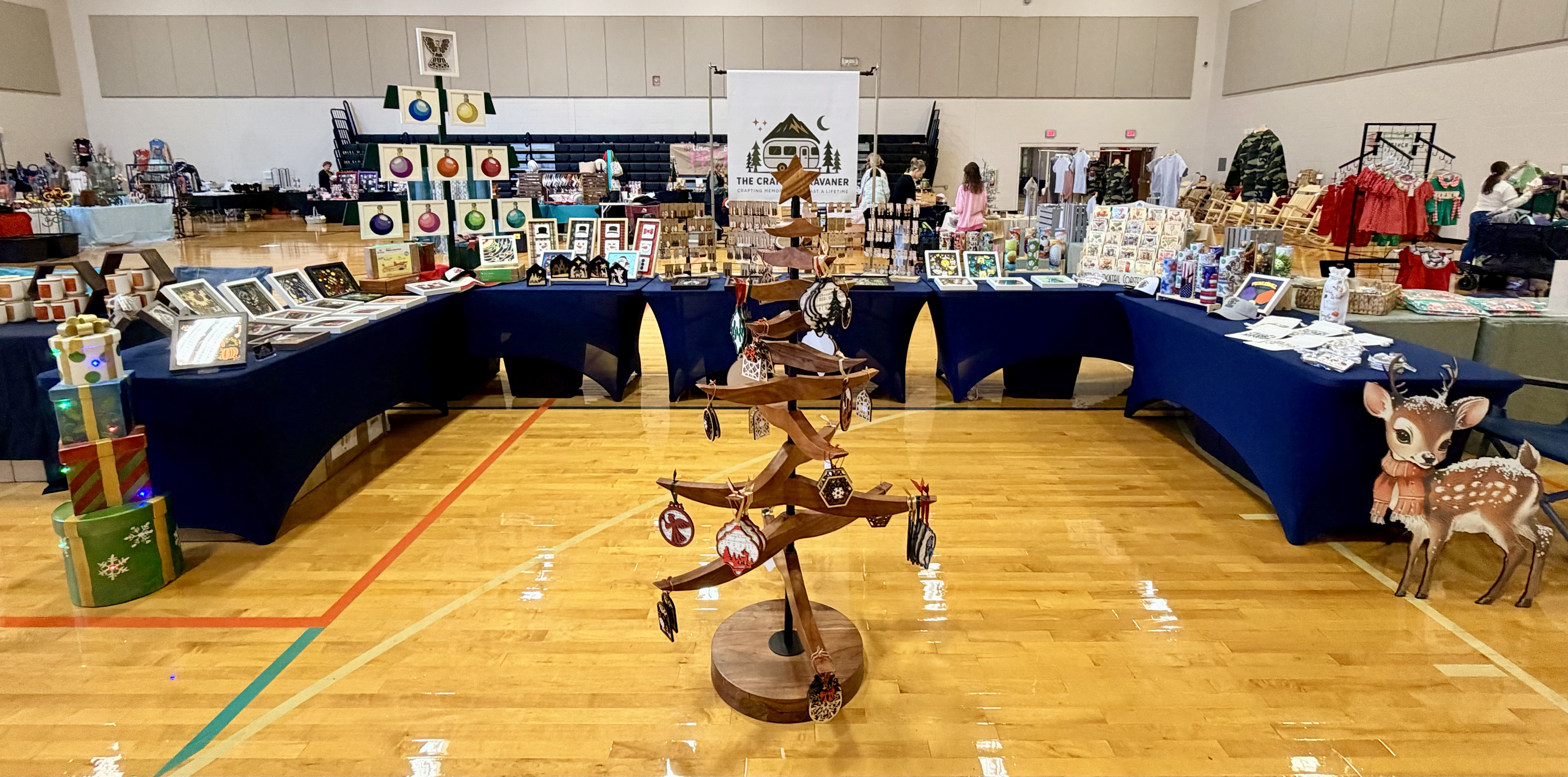
Today’s mission challenge digs deeper into the planning and preparation that transform vending from a hobby into a sustainable and intentional business. When you step into the role of a vendor, you are not just creating products. You are also managing schedules, forecasting demand, organizing inventory cycles, preparing for travel, and making decisions that will shape your entire year.
This week I submitted an application to be a vendor at a venue that schedules its markets for the entire year of 2026. Seeing dates that far into the future was a reminder of just how far ahead we sometimes need to think. Signing up for events that are more than a year out challenges you to imagine where your business will be, what your creative voice will look like, and how you want to show up for your customers. It is both exciting and overwhelming because these choices influence everything from the flow of your year to your production schedule.
Planning your vendor calendar requires a clear vision of what you want your year to feel like. Some events require extensive travel while others are local and easier to manage. Some span multiple days and demand a large inventory while others allow for a more relaxed setup. Understanding the nature of each event helps you determine which ones truly support your growth. It is not just about filling the calendar. It is about curating it in a way that supports your creativity, energy, and business goals.
It is equally important to build space between events. These open periods are essential for restocking your products, experimenting with new designs, and preparing your booth for the next adventure. Many creators underestimate the time needed to rebuild inventory, especially after large markets. Giving yourself permission to schedule breaks is not a luxury. It is a necessity for maintaining quality and consistency.
Not every market will be a big win and that is completely normal. A lower turnout or slower day does not define your success as a vendor. Instead, each event offers insight. It might teach you which items appeal to a certain crowd, which displays draw people in, or which price points work best in different areas. You may meet a future collaborator or find a venue that becomes a long term favorite. When an event does not go as planned, shift your mindset from disappointment to curiosity. Ask yourself what this experience can teach you and how it might shape your next step.
Your Daily Mission Challenge:
Set aside intentional time today to review your calendar and begin outlining potential events for the upcoming year. Reflect on which markets have served you well and which ones no longer fit your goals. Think about how much time you need between events to create and replenish inventory. Consider what you have learned from past markets and how those lessons can guide your future decisions. Planning is not just scheduling dates. It is designing the rhythm of your creative life.