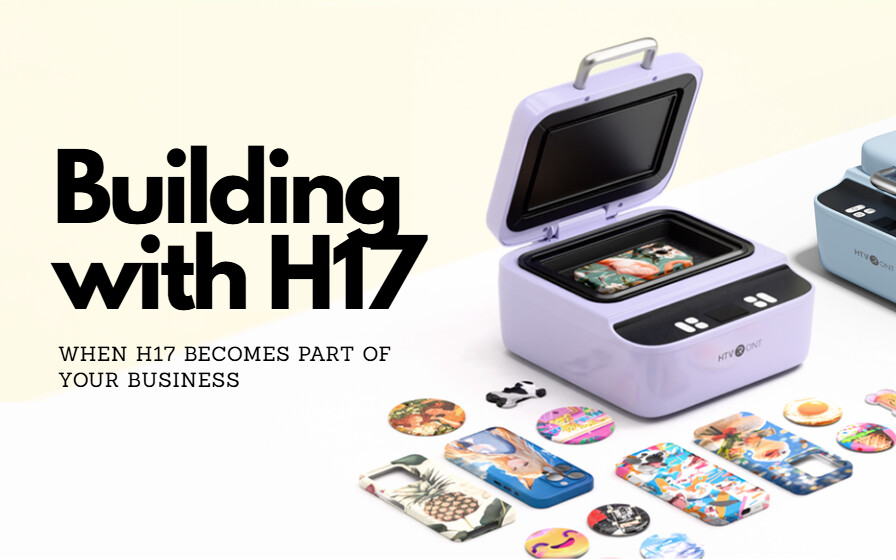
Hello Crafters!
Since launching the H17 Phone Case Heat Press, we’ve received quite a few questions in the community. Some are about the machine itself, some are about the sublimation film, and many are simply about whether this setup makes sense beyond hobby use.
That’s also why we decided to start a short series called Building with H17. In this series, we’ll look at how the machine and materials work together in real production settings, and how it has gradually become part of many small-scale business setups.
In this first post, we’re focusing on a straightforward topic: how H17 can fit into small business use in a practical way.
 The Market Is Already There
Custom phone cases are not a new trend. On platforms like Etsy and Amazon, cases that support personalization and highlight full wrap or edge-to-edge coverage often sit around $20–$30, many of them with steady reviews and ongoing sales.
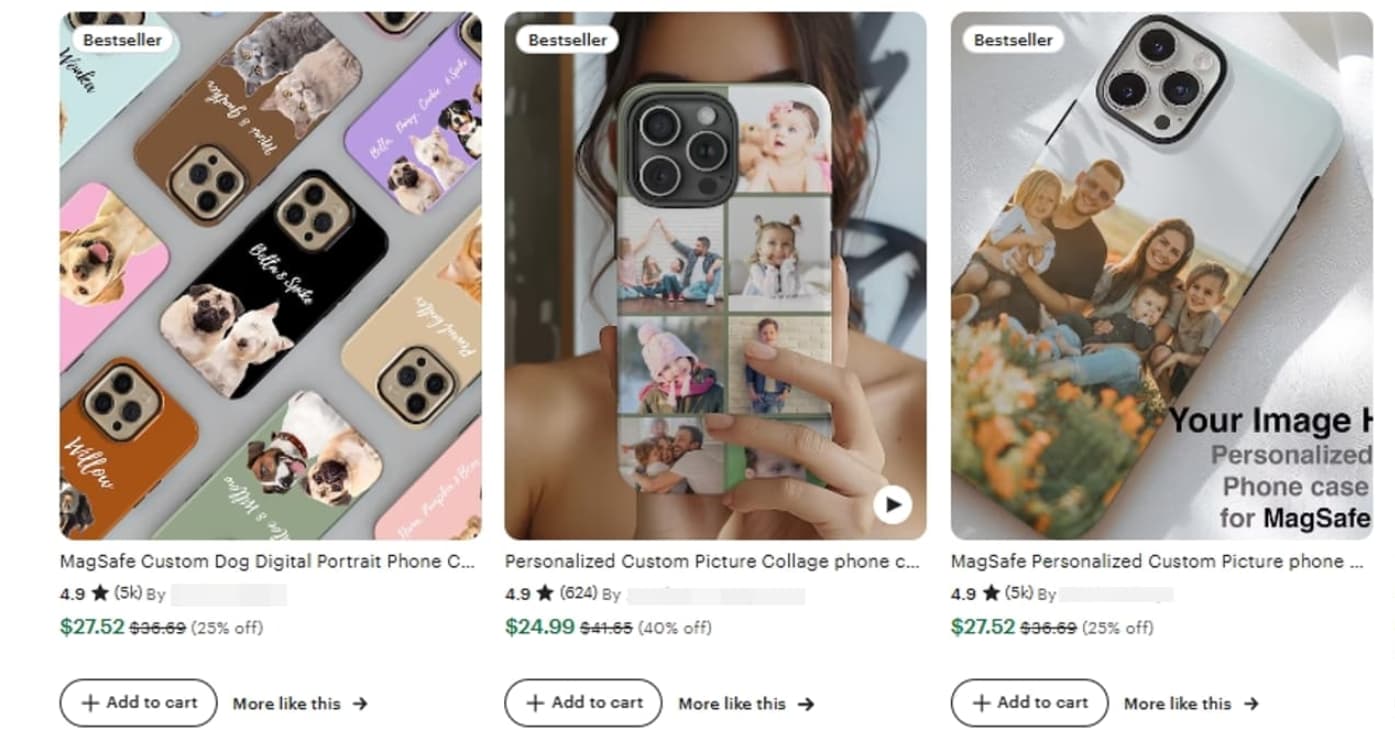

These listings are not isolated examples. They have consistent pricing, reviews, and repeat sales. The price range is already established. The question is whether the finished product can realistically sit in that same range.
 What Supports the Price
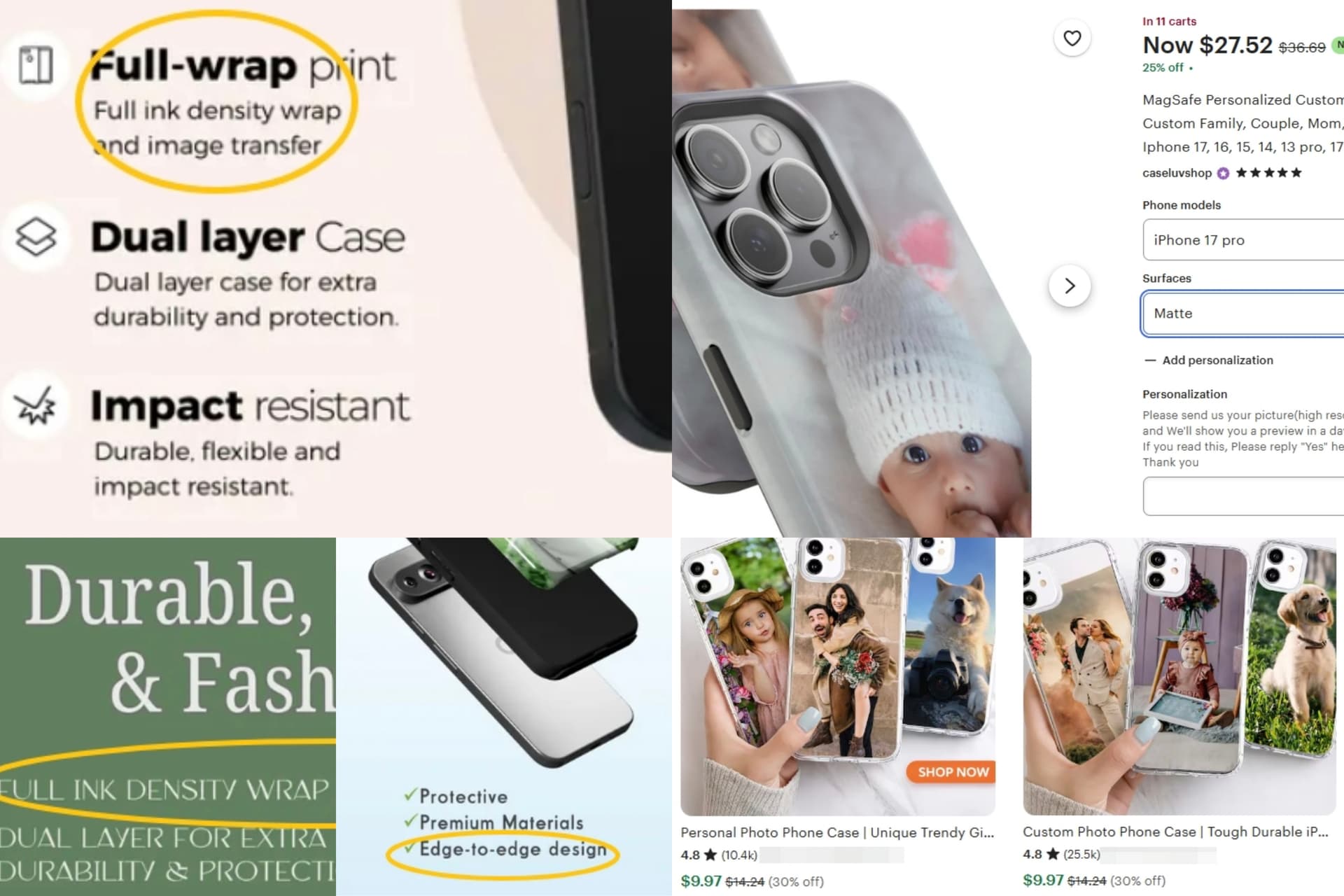
With curved phone cases, edge finish makes a visible difference. When the design wraps cleanly around the edges and transitions naturally at the corners, the product feels complete and cohesive. That kind of full coverage changes how the case is perceived at first glance.
H17, paired with sublimation film, is built specifically for curved surfaces. It allows consistent edge-to-edge coverage so the final result looks finished rather than partially printed. That level of presentation is one of the reasons certain cases can sit in a higher price band compared to flat, back-only printed cases.
Here is a simple breakdown per case:
- Sublimation phone case blank: $3.3
- Sublimation film: $4
- Ink and electricity: approx. $0.06
Total material cost: about $7.36 per case.
One sheet of film produces one case, and press time is around 5 minutes. These are the practical working conditions.
When compared with selling prices around $20–$30, the space between cost and price is visible. The film cost is part of the structure, but it also enables the full wrap result that supports the higher pricing range.
The device itself is priced just over $200. Within the existing price band of finished cases, that level of equipment investment does not require large volume to make sense.
Alongside that, stable transfer quality helps reduce failed pieces and unnecessary material waste over time. We’ll look more closely at the film and transfer process in upcoming posts in the Building with H17 series, but consistency plays an important role in keeping production cost predictable.
Taken together, this setup allows small-scale production to begin at a manageable level, without depending on mass quantity to balance the numbers.
 More Than One Product Type
H17 is not limited to phone cases. Badges, ceramic coasters, sublimation pens, and other small curved items can also be produced using the same machine.
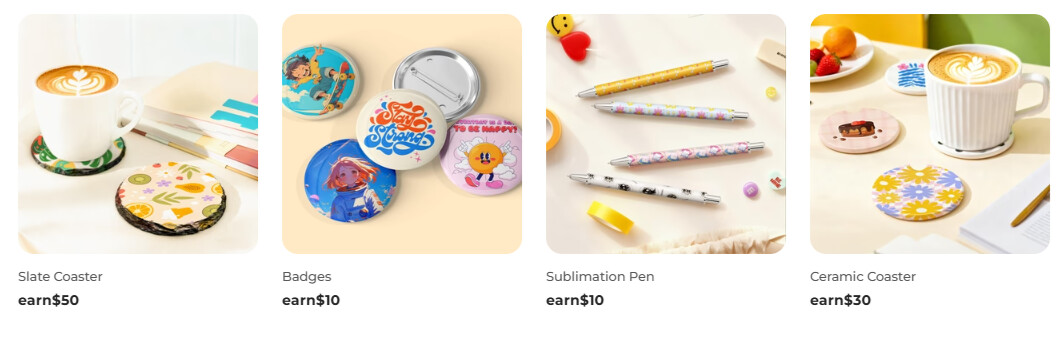
When used across several product types, the investment is not tied to a single item. Phone cases may be the starting point, but they do not have to be the only output. Adding a few small-format products into the same workflow can make better use of both the equipment and the materials. It also creates more flexibility in what can be offered, whether that means testing new ideas or expanding an existing lineup gradually.
When the finished quality supports the price range and the material cost is clear, H17 can move from being a hobby tool to something that fits into regular production. For some, that may start with phone cases. For others, it might be a mix of small-format products.
If you’re already using H17 as part of your business, what has your experience been so far? And if you’re considering selling with it, what are you thinking about most at this stage? We’d really like to hear your thoughts.

