Today’s Daily Mission Challenge invites you to slow down and think beyond the finish line. Building pieces that last is not just about how something looks when it is complete, but how it holds up, how it is experienced, and how it continues to matter long after it leaves your hands. This challenge is about durability, emotional longevity, and timeless design working together to create work that stands the test of time.
Durability begins with material choices and construction. The materials you select communicate value before a word is ever spoken. Solid woods, quality finishes, reliable hardware, and thoughtful joins all contribute to how long a piece will physically survive. Durability also lives in the details people may never see, like reinforced corners, sealed edges, or finishes chosen for protection rather than speed. Taking the time to build with intention sends a quiet message of care and craftsmanship that customers recognize, even if they cannot always name it.
Emotional longevity is just as important as physical strength. A piece that lasts is one that continues to matter. Emotion gives work a reason to be kept rather than replaced. This might come from personalization, storytelling, or the way a piece connects to memory, tradition, or identity. When someone feels something through your work, they are far more likely to protect it, display it, and pass it on. Emotional connection transforms an object into a keepsake.
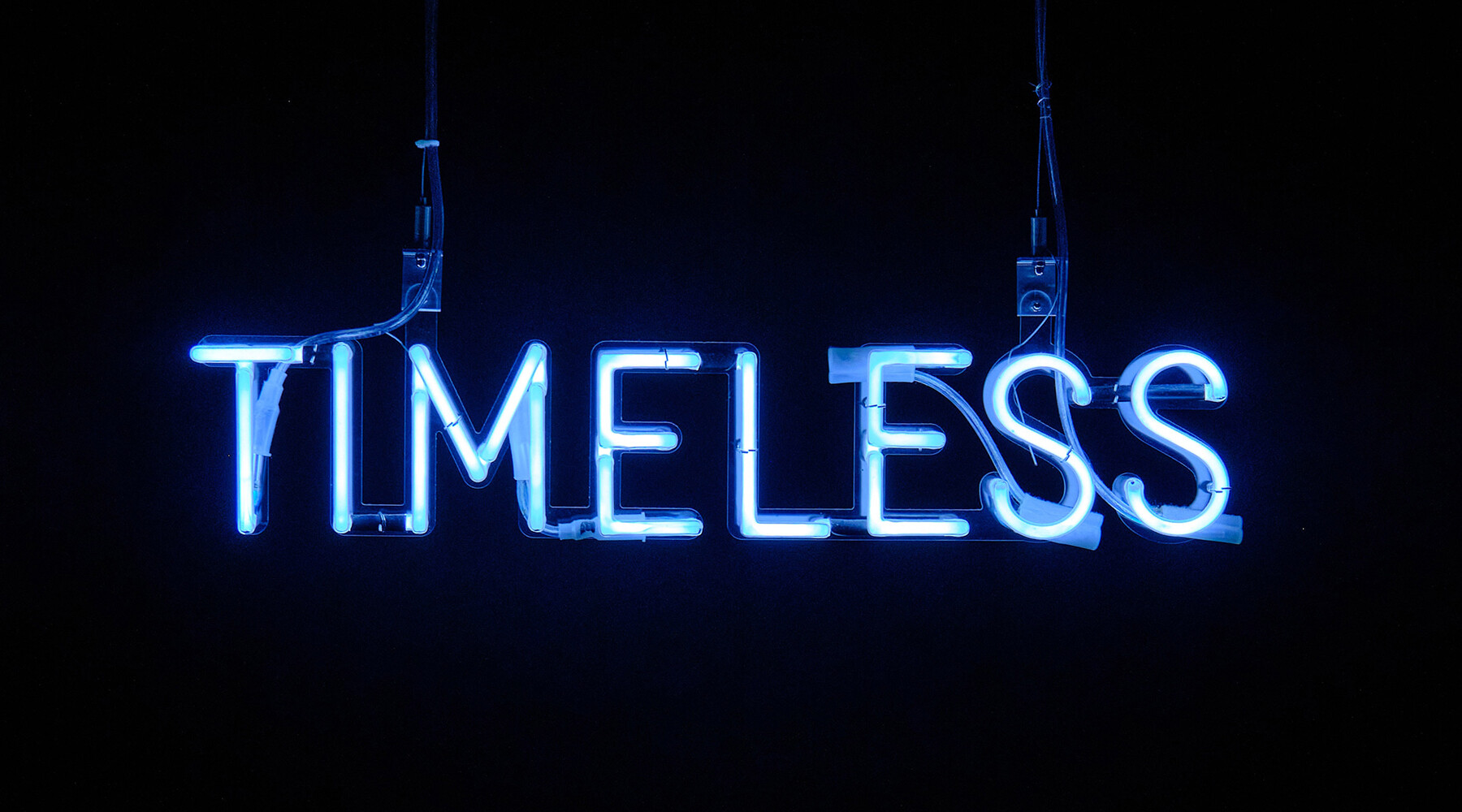
Timeless design sits at the intersection of restraint and confidence. Trends have their place, but timeless design often relies on balance, proportion, and simplicity. Clean lines, thoughtful spacing, and neutral foundations allow a piece to live comfortably across changing styles and seasons. Timeless does not mean boring. It means intentional. It means designing with longevity in mind rather than momentary appeal.
A few tips to help build pieces that last:
- Choose materials for strength and stability, not just appearance.
- Test finishes for wear, light exposure, and handling.
- Design pieces that feel complete without excessive embellishment.
- Ask whether a piece will still feel relevant five or ten years from now.
Best practices come from experience and observation. Pay attention to which pieces customers return to again and again. Notice which items get repaired, cherished, or reordered rather than replaced. Document what holds up and what does not. Small refinements over time create lasting improvement. Longevity is built through repetition and learning, not perfection.
Your mission today is to examine one piece you have made or are planning to make and ask hard questions. Will it hold up physically. Will it matter emotionally. Will it still feel at home in the future. Consider one change you could make to improve its durability, deepen its meaning, or simplify its design.
Challenge yourself to create with the future in mind. Not just the next sale or the next season, but the moment years from now when someone still chooses to keep your work close. Pieces that last are not rushed. They are built with care, intention, and respect for both the craft and the person who will live with them.