Daily Mission: The Art of Cardstock — Finding the Perfect Weight for Every Project

If there’s one material that quietly supports so many of our favorite projects, it’s cardstock! From layered paper crafts and shadow boxes to greeting cards, tags, and ornaments, cardstock plays a huge role in how our finished creations look and feel.

But here’s the secret: not all cardstock is created equal.

The type, weight, and even the core you choose can make or break your project — affecting everything from cut precision to color consistency and durability.

Let’s break it down!

65 lb Cardstock (Lightweight)

Perfect for layering, card inserts, and detailed paper projects. It’s flexible and easy to cut, especially on electronic cutting machines. If you’re making multi-layered shadow box art, this is a great option for those top layers that need crisp, clean details.

80 lb Cardstock (Medium Weight)

A great “all-purpose” cardstock! It’s sturdy enough for card bases and light boxes but still cuts beautifully. It’s my go-to when I want something with a bit more strength without stressing my cutting blades or heat press alignment.

100 lb+ Cardstock (Heavyweight)

This one’s for when you need structure — think 3D projects, boxes, and bases that need to hold their shape. It’s less flexible but offers a premium, professional finish. Be sure to adjust your machine settings for a deeper cut, and always test first!

Textured vs. Smooth

Texture adds dimension, but smooth cardstock often gives cleaner, more consistent cuts. Textured papers can enhance layered designs or add tactile detail, while smooth cardstock is ideal for sublimation overlays, vinyl application, or precision folds.

Solid Core vs. White Core

This detail often goes unnoticed — but it makes a big difference!

  • Solid Core Cardstock is the same color all the way through. When it’s cut, you’ll see consistent color on the edges, giving your finished piece a clean, professional look. Perfect for layered projects and detailed cuts where edges are visible.

  • White Core Cardstock has a white interior, which means when you cut or distress it, you’ll see white edges or lines along the cuts. This can be great if you want that contrast for a rustic or distressed style, but if you prefer a uniform finish, solid core is the better choice.

Coated or Specialty Cardstock
Glitter, foil, and shimmer cardstock can make projects pop! These are great for accents, holiday cards, and décor — just remember, they may need different cutting pressures and adhesive techniques.

Bonus Tips:

Always store cardstock flat and in a dry space to prevent curling or warping. And when layering designs, mix weights strategically — lighter cardstock for detail, heavier for structure!

Let’s celebrate one of crafting’s most underrated heroes — the beautiful, versatile world of cardstock!

7 Likes

Wow, thanks so much for this detailed info about cardstock! It’s really a big help… :smiling_face_with_three_hearts: :smiling_face_with_three_hearts: :smiling_face_with_three_hearts:

5 Likes

Nice brake down.

3 Likes

Absolutely @Marisol_Villanueva. I have a love affair with cardstock so enjoy sharing all of the information I have learned over the years using the material.

2 Likes

Thank so much @Judi_B. I hope someone will find it helpful.

3 Likes

Excellent guide @Cory_Barger, and sorry, I didn’t notice you’d made this post earlier.

Can I just add this link that explains the difference between the cardstock cores in a bit more detail:

5 Likes

Absolutely! Thanks for adding some great information. This is perfectly informative.

2 Likes

This detailed information of Cardstock is so handy. I could’ve used this a lot when I first started with cardstock just an all in one info sheet of different weights and types. I had to learn a lot of it through trial and error and just watching a tons of videos but man this is so useful to have and something that I definitely learned from it. Thank you so much for the helpful info. I love working with Cardstock so this is going to help a ton

2 Likes

I hope those sellers online would also include these info on their product description… Because it’s on my cart and upon checking there’s no info about the card stock core … and when I zoomed their product picture it has mix cores… :sweat:

3 Likes

I am glad you found it helpful @DianeB. I know I have certainly learned a lot over the years about cardstock. Probably more than one person should know. LOL! I didn’t even get started on cover stock versus card stock which always drives me crazy. They both use pounds to describe themselves but when you see cover on the label that is a specific industry term reserved for “heavy weight” paper of a fine, decorative nature; found in an assortment of colors, finishes, textures, and coatings. Cover stock is generally classified by paper basis weight rather than caliper (actual thickness). Card stock is a more generic term for heavyweight paper of any variety and card stock is generally classified by caliper measure within a plus or minus range. So while they both may say 80lbs, the cover stock can be much lighter than its 80lbs card stock cousin.

3 Likes

The other thing that always frustrates me when I am looking at card stock is when they don’t include the weight. Many patterned papers or special occasion papers that come in “stacks” do this. I want to know how heavy the paper I am working with really is.

2 Likes

Okay wait this is interesting I didn’t know that at all about cover stock I just always avoided it because I wasn’t sure what it meant

3 Likes

Omg this is so frustrating!

3 Likes

You’re welcome :grinning:

2 Likes

I’ve never heard the term Cover Stock before, so thanks for the info.

2 Likes

So these are some great examples that I just pulled from a very famous online store.

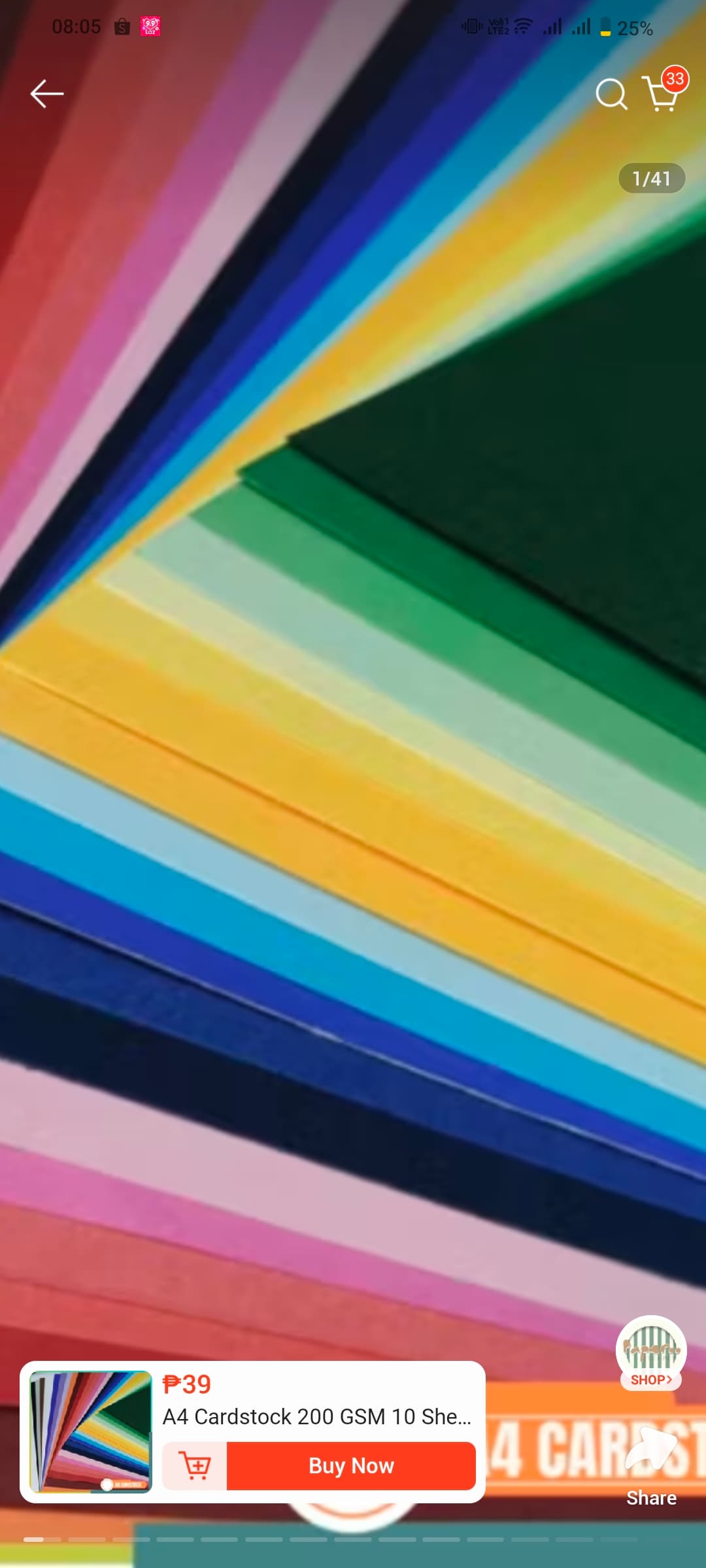
So in the first example you can see it is 110lbs but that equates in their book to 199GSM. Even though it says card stock this would actually be a cover stock. This example is very misleading.

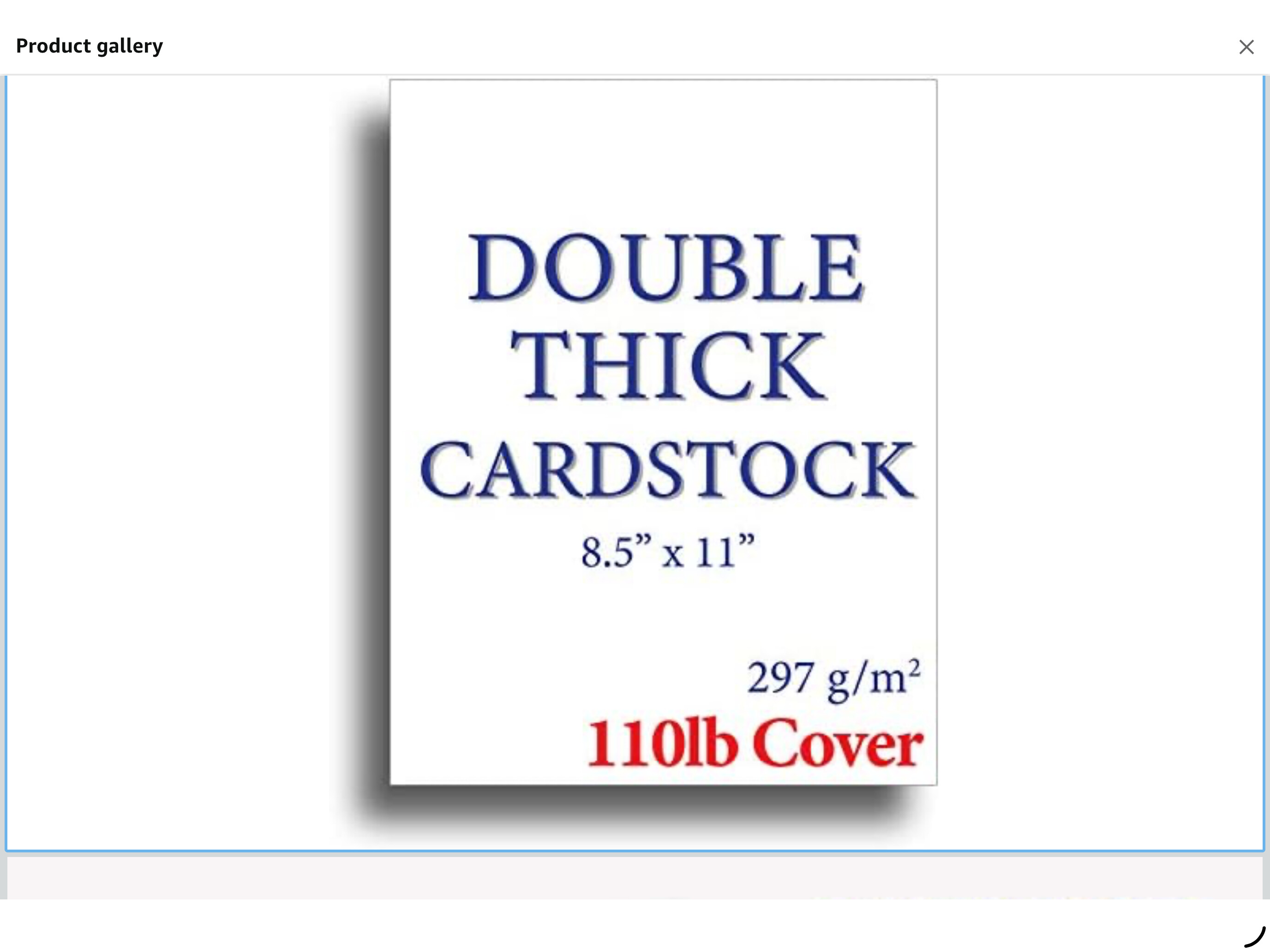
In this example it is 110lbs COVER and that equates to 297GSM. So while it is labeled as cover stock it actually is more akin to a card stock because it is closer in weight to what a heavy cardstock would be. But because it is not measured during production by a caliper they have to label it as cover.

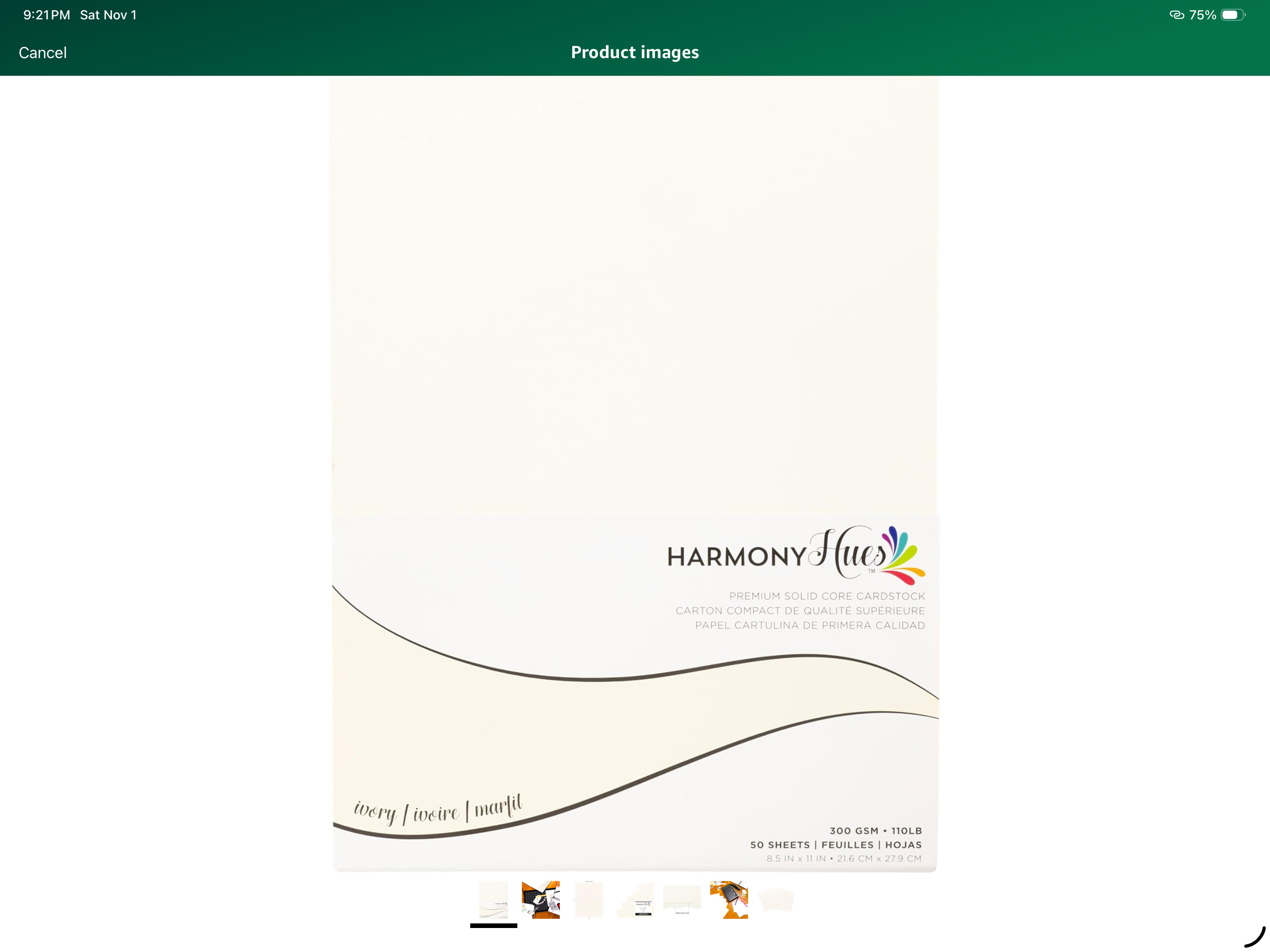
And in this example it is 110lbs Card Stock and that equates to 300GSM. Which is the actual weight of a true 110lbs cardstock. This is labeled this way because the thickness is measured by a caliper as it is being produced.

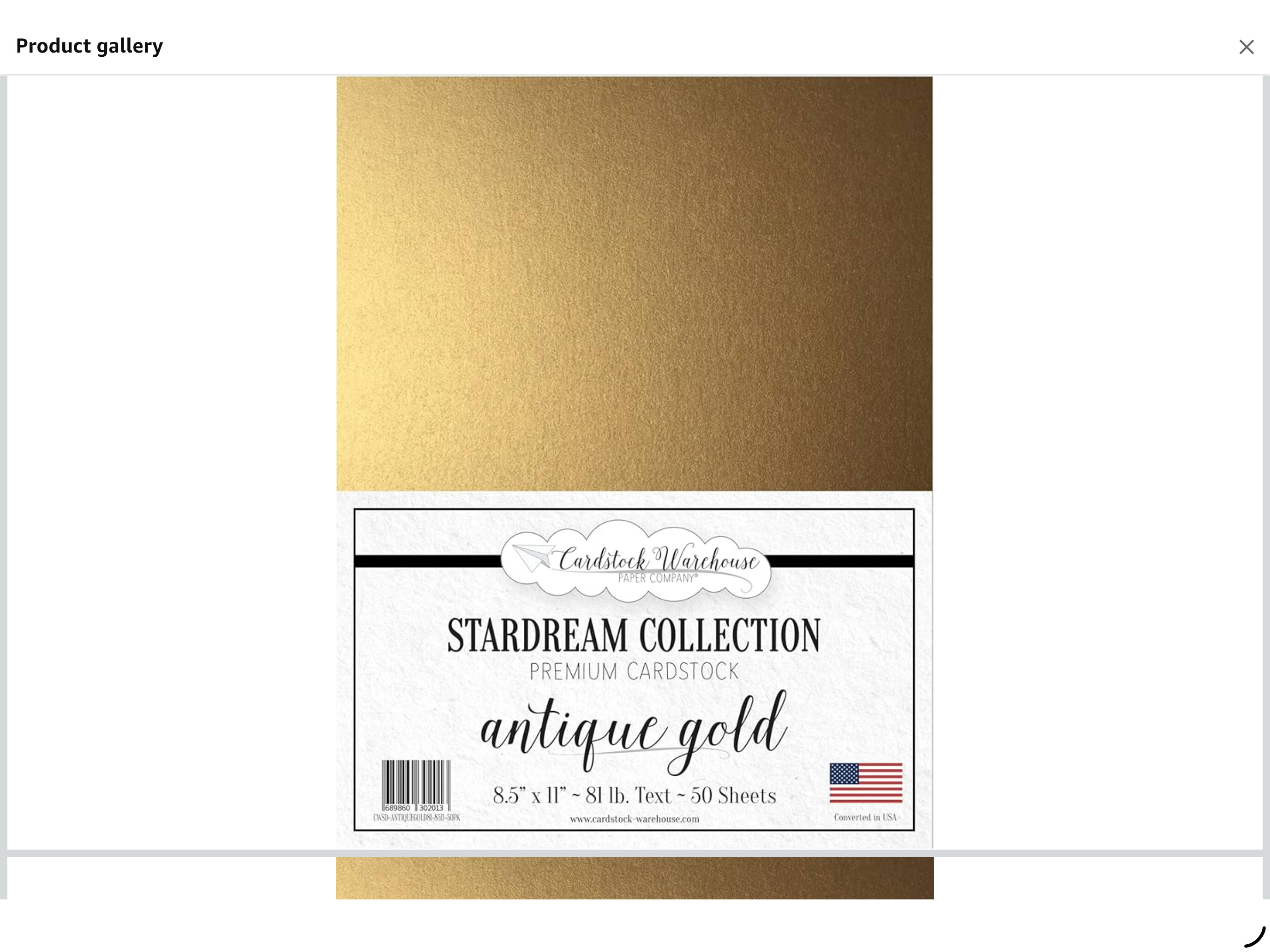
There is also something called text weight and anything with text lbs would be very close to the weight of paper in a book or office paper. So very thin and perhaps possibly difficult to work.

2 Likes

I can’t remember if it’s white core because I also purchased this product before.Let me check it later.:smiling_face_with_three_hearts:

2 Likes

What is something I should look for to easily spot this difference? Also thank you for the information I really enjoy learning new things!

3 Likes

I always look at the lbs to gsm conversion.

Light Card Stock: 65lbs should always be 176gsm

Medium Card Stock: 80lbs should always be 216gsm

Heavy Card Stock: 110lbs should always be 300gsm

That is the rule I look for when I am scoping out new card stock.

3 Likes

Thank you I’ll definitely make sure to always keep this in mind !

3 Likes