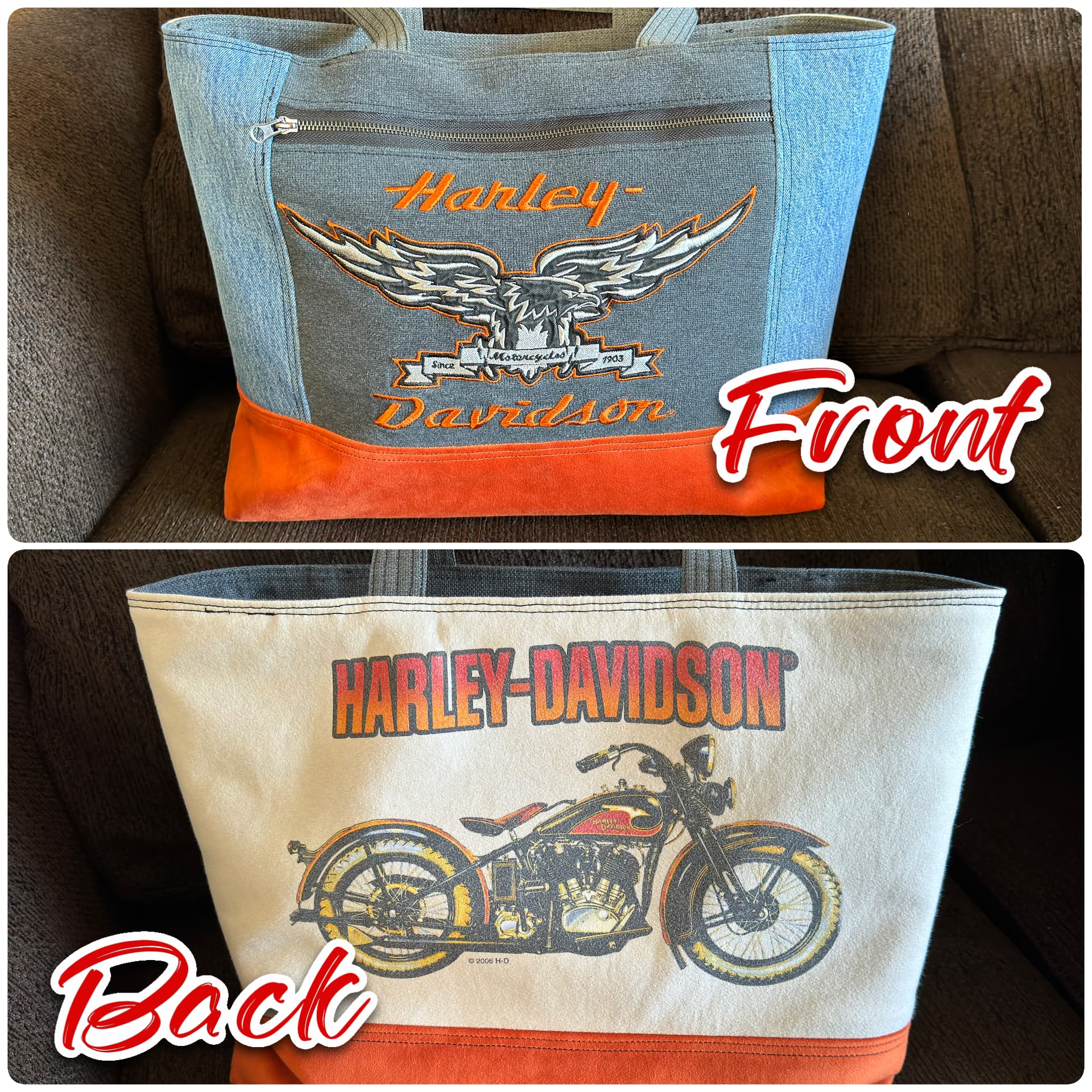
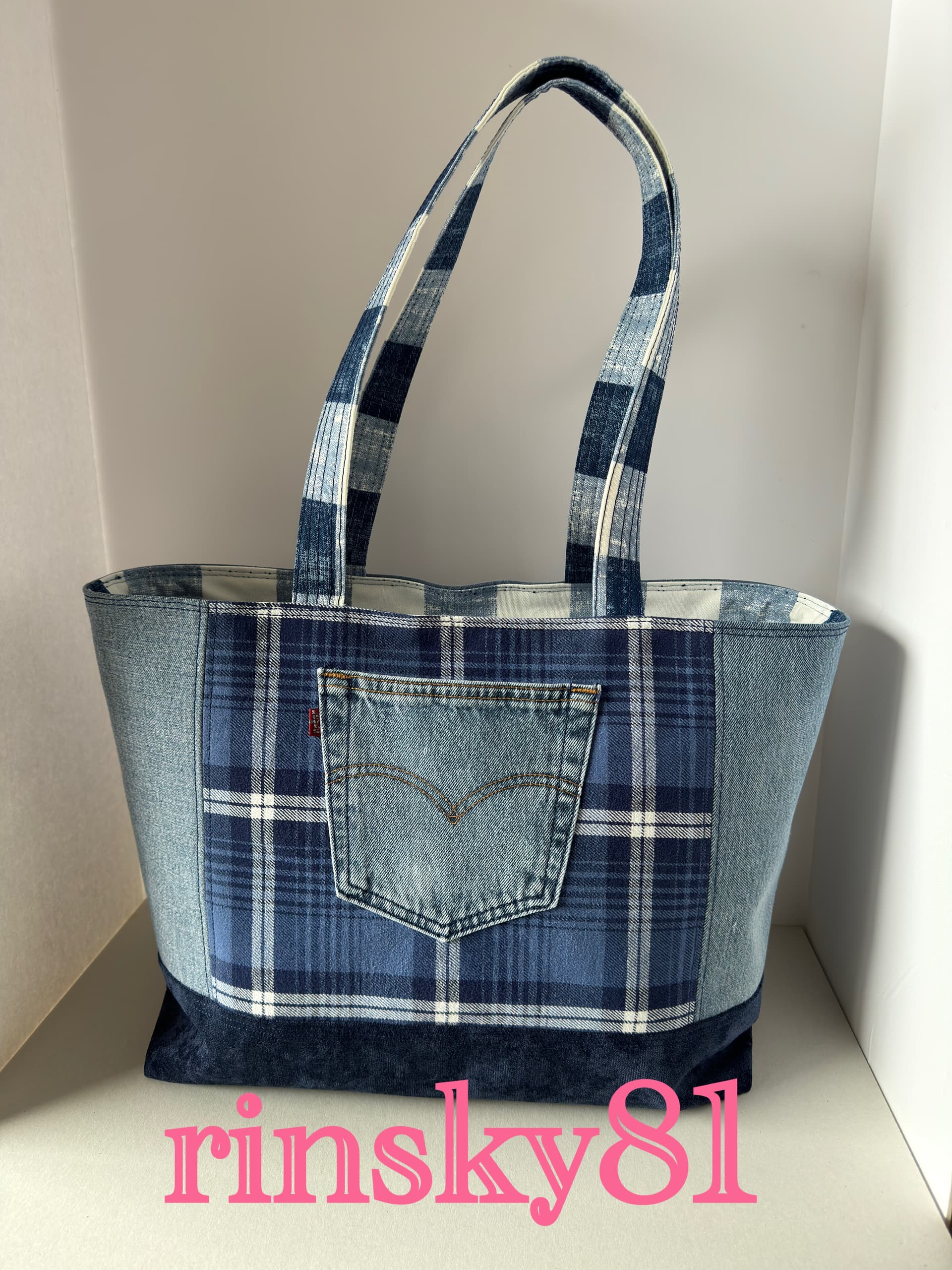
This topic hits close to home because pricing handmade items has honestly been one of the hardest things for me to learn as a creator. When you make something by hand, you know every layer, every mistake, every redesign, every material test, and every late night that went into it. Customers usually only see the finished product sitting on the table.
One thing that completely changed my mindset was finally building detailed spreadsheets for my projects. I started tracking everything. Material costs. Paint. Wood. Cardstock. Vinyl. Sublimation paper. Packaging. Even estimated machine usage and wear over time on things like lasers, heat presses, and printers. I also started factoring in failed prints, wasted materials during testing, electricity, booth fees, and all the little hidden costs that quietly add up.
What shocked me was realizing how often I had been underpricing my work without even knowing it.
The hardest part for me now is honestly balancing emotion with reality. I want my products to feel accessible and affordable because I genuinely love creating things for people. But at the same time, I have had to learn that pricing too low does not help anyone in the long run. If creators burn themselves out or lose money, eventually they stop creating altogether.
My mindset has definitely changed over time. Early on I priced based on what I thought people would pay. Now I price based on understanding the actual value, labor, creativity, equipment investment, and experience behind what I create. That does not mean every customer will understand the price and that is okay. The right customers usually do.
I still struggle sometimes with custom work because those projects can become deeply personal and time consuming very quickly. You can spend hours adjusting tiny details because you care about getting it perfect for someone. That emotional investment is hard to quantify on a spreadsheet.
One thing I have learned though is that handmade should never be expected to compete with mass produced factory pricing. Handmade carries a story, skillset, and personal touch that machines alone cannot replicate.

What’s the hardest part about pricing handmade things for you?
Is there anything you still struggle with when deciding prices?
And has your mindset around pricing changed over time?


 Congratulations to